What makes a food ultra-processed?
On this page
A food is ultra-processed when its ingredient list has at least one thing a home kitchen doesn’t keep, like high-fructose corn syrup, maltodextrin, whey protein, a hydrogenated oil, or a flavoring, color, emulsifier, sweetener or thickener. Sugar, salt and oil don’t count, and neither does a factory.
What we’d do
Judge a food by its ingredient list, and ignore the package and the factory. Frozen peas, canned beans, dried pasta and a loaf of flour, water, salt and yeast can go in the cart without a second look. Spend your ten seconds of label checking on the foods with a health halo, the protein bars, oat milks, flavored yogurts and whole grain breads, since that’s where the one deciding ingredient usually hides.
If you remember three things
- One ingredient a kitchen doesn’t keep makes it ultra-processed. The rest of the label doesn’t change that.
- Sugar, salt, oil and butter are kitchen ingredients. Adding them makes a food processed (group 3), not ultra-processed.
- No US law defines it yet. Researchers use NOVA, and the FDA and USDA started work on a federal definition in 2025.
Why the word confuses people
Almost everything you eat has been processed in the plain sense of the word. Milk is pasteurized, peas are frozen, oats are rolled, and coffee is roasted. If “processed” meant anything a machine touched, the word would be useless.
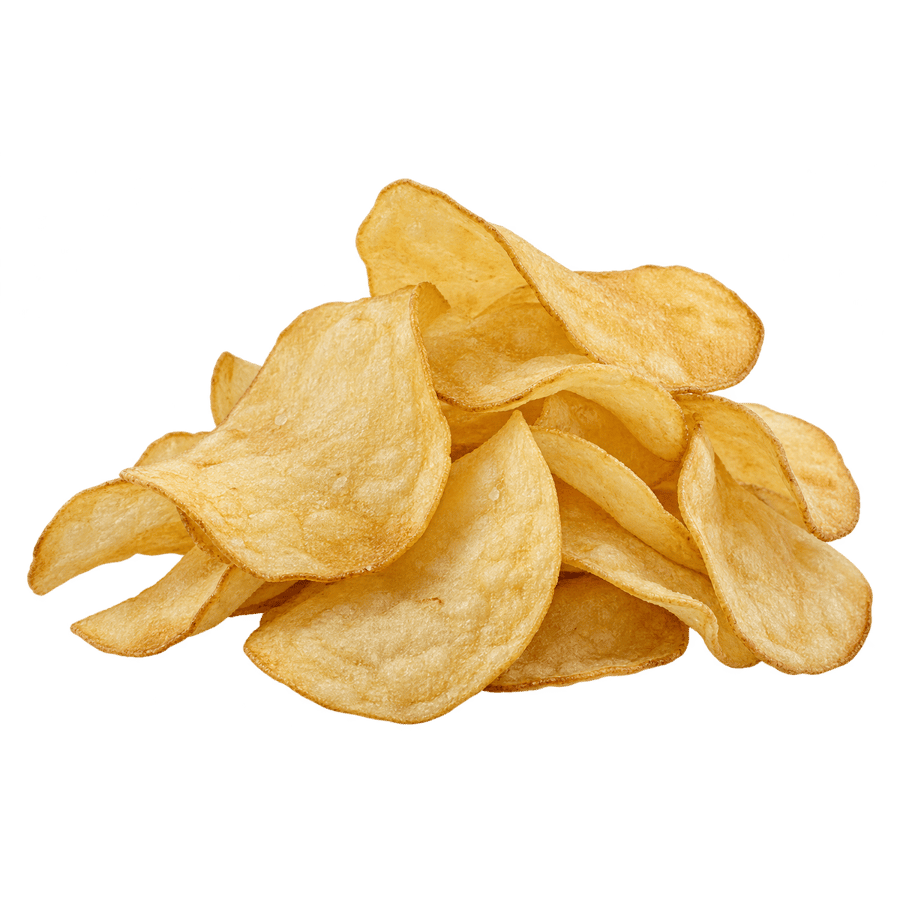
People fill in their own meaning. For some it means junk food, the chips and candy and soda. For others it means anything in a box or a can. Both meanings send people the wrong way in the store. The first lets the packaged bread, the flavored yogurt and the protein powder through without a look. The second makes a bag of frozen broccoli feel like a failure, when the useful question is what was added and whether you could have added it at home.
Where the idea came from
In 2009 Carlos Monteiro, who ran the nutrition department at the University of São Paulo’s School of Public Health, published a three-page commentary in Public Health Nutrition. It was titled “The issue is not food, nor nutrients, so much as processing.” Monteiro argued that what’s done to food before it reaches you tells you more about a diet than any single food or nutrient does.
His team turned that into NOVA, a way to sort every food into four groups by how it’s made. In 2019 they published a short guide to spotting ultra-processed food on a label, written for researchers, doctors, journalists and shoppers alike. The CDC used NOVA for its 2025 count of how much ultra-processed food Americans eat, and so did the trials on this site.
A tomato, step by step
Here’s the line drawn with one food.
- A tomato. Picked, washed, maybe chilled. Group 1, whole or barely changed.
- Canned tomatoes. Tomatoes, tomato juice and salt. Salt is a kitchen ingredient, so this is group 3, processed.
- Jarred tomato sauce. Tomatoes, olive oil, salt, garlic, onion and basil. Still group 3, because every item is something a kitchen keeps.
- Ketchup. Tomato concentrate, vinegar, high-fructose corn syrup, salt, spices and natural flavoring. Group 4. High-fructose corn syrup alone would have done it.
- A tomato-flavored chip. Potatoes, oil, potato starch, maltodextrin, tomato powder, dextrose, natural flavor, yeast extract and a color. Group 4, and the tomato is down to a powder.
The labels above are typical lists, and the one on the package in your hand decides. You can press through the same steps in one tomato, four groups and watch the exact ingredient that tips it over.
The test, in two kinds of ingredient
NOVA’s 2019 guide says a product is ultra-processed if its list of ingredients contains at least one item from either of two kinds.
Food substances kitchens rarely or never use. These are parts pulled out of whole foods, or changed chemically, so a factory can rebuild a food from them.
- Sugars: fructose, high-fructose corn syrup, fruit juice concentrates, invert sugar, maltodextrin, dextrose, lactose
- Oils: hydrogenated or interesterified oils
- Proteins: hydrolyzed proteins, soy protein isolate, gluten, casein, whey protein
- Meat: mechanically separated meat
Cosmetic additives. These change how a food tastes, looks or feels in the mouth.
- Flavors and flavor enhancers
- Colors
- Emulsifiers and emulsifying salts
- Sweeteners
- Thickeners
- Anti-foaming, bulking, carbonating, foaming, gelling and glazing agents
Whey protein on the first list surprises people more than anything else on this site. It means a tub of whey powder with three ingredients is ultra-processed by definition, however short the label is. That says how it was made. Whether it’s a good food for you is a different question, which processing isn’t the same thing as nutrition answers.
The guide also says where to look. The substances kitchens don’t use tend to sit at the start or in the middle of an ingredient list, and the cosmetic additives come at the end. How to read a label in ten seconds turns that into a habit.
Why a factory loaf can be only processed
People expect the factory to be the problem. NOVA doesn’t care where food is made, only what’s in it.
Monteiro’s 2019 guide uses bread as its example. Industrial breads made only from wheat flour, water, salt and yeast are processed foods. The same breads with emulsifiers or colors added are ultra-processed. A bakery loaf with a dough conditioner can be group 4, and a factory loaf with four ingredients can be group 3.
Breakfast cereal works the same way. The guide names plain corn flakes and shredded wheat as minimally processed, and the same flakes with a flavoring or color added as ultra-processed. The box in your hand decides which one you have.
The reverse holds too. Preservatives on their own don’t make a food ultra-processed, since NOVA says they can be used in processed foods as well. A can of beans with a preservative stays group 3 unless something else on the label crosses the line.

Who decides what counts?
In the US, nobody has made it law yet.
- Researchers use NOVA, from Monteiro’s team. The CDC’s numbers and every trial on this site sort food this way.
- The FDA and USDA published a request for information on July 25, 2025, to help develop a uniform definition of ultra-processed foods for the US food supply. Comments were due September 23, 2025, and the agencies extended that to October 23, 2025. As of November 14, 2026, no proposed definition has appeared in the Federal Register.
- The 2025 to 2030 Dietary Guidelines use a different phrase, “highly processed”. They tell Americans to avoid highly processed packaged foods that are salty or sweet, such as chips, cookies and candy, and to limit foods with artificial flavors, petroleum-based dyes, artificial preservatives and low-calorie sweeteners. They don’t say exactly what highly processed means.
We use NOVA because the numbers people quote come from it, and we always show the ingredient that decided a food’s group, so you can check our call on your own label.
The best case against NOVA
Critics say NOVA is too vague to apply the same way every time, and they have a study to point to. In 2022, French researchers asked about 160 food and nutrition specialists to sort 120 supermarket products, with their ingredient lists, into NOVA groups. Agreement was low, a Fleiss’ kappa of 0.32, where 1 would mean everyone agreed every time. Having the ingredient list barely helped, since a second list of 111 generic foods with no labels got 0.34. The authors concluded that NOVA’s criteria don’t let people sort foods reliably.
Some calls were easy. A cluster of 90 products went to group 4 in 91% of calls, and the disagreements were over the rest, the foods where small details of the recipe decide the group.
That’s why this site works from one rule, the marker on the label, and never guesses a group from a food’s name. When the label lists a marker, the food is group 4. When it doesn’t, it’s group 3 if a kitchen ingredient was added and group 1 if nothing was.
Try it on your own food
- Pick a food or a whole plate in the checker and see its group and the ingredient that decided it.
- Paste a label into the label checker and watch the markers light up.
- See where everyday foods land in the four groups.
8 sources
- Monteiro, Nutrition and health. The issue is not food, nor nutrients, so much as processing, Public Health Nutrition, 2009pubmed.ncbi.nlm.nih.gov
- Monteiro et al., Ultra-processed foods: what they are and how to identify them, Public Health Nutrition, 2019pmc.ncbi.nlm.nih.gov
- Monteiro et al., The UN Decade of Nutrition, the NOVA food classification and the trouble with ultra-processing, Public Health Nutrition, 2018pmc.ncbi.nlm.nih.gov
- Braesco et al., Ultra-processed foods: how functional is the NOVA system?, European Journal of Clinical Nutrition, 2022pmc.ncbi.nlm.nih.gov
- FDA and USDA, Ultra-processed foods: request for information, Federal Register, July 25, 2025federalregister.gov
- FDA and USDA, Ultra-processed foods: request for information, extension of comment period, Federal Register, September 19, 2025federalregister.gov
- US Departments of Agriculture and Health and Human Services, Dietary Guidelines for Americans, 2025 to 2030cdn.realfood.gov
- Williams et al., Ultra-processed food consumption in youth and adults: United States, August 2021 to August 2023, NCHS Data Brief 536, 2025cdc.gov