Ultra-processed food myths, checked
What people believe about processed food, why it sounds right, and what is true.
 Not the way you think
Ultra-processed just means junk food
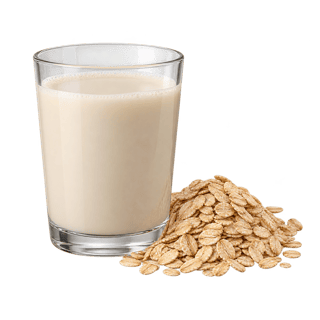
Packaged bread, fruit yogurt, oat milk with gums and protein powder are all group 4. The test is one ingredient a kitchen doesn't keep, however healthy the food looks.
 No
All processed food is bad for you
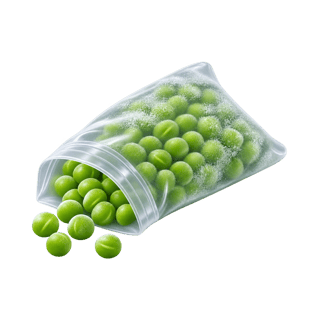
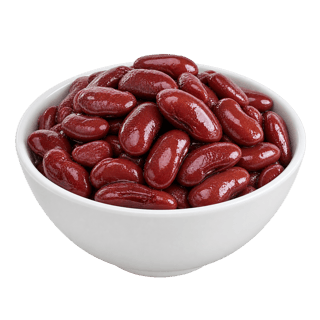
Frozen peas, dried pasta, plain yogurt and canned beans are groups 1 and 3. In NOVA, freezing, drying, fermenting and canning don't make food ultra-processed.
 Not the way you think
If it's ultra-processed, it's unhealthy
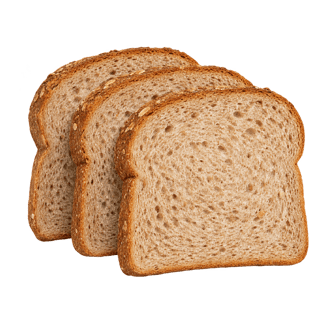
In 198,636 US adults, whole grain bread, cereal and yogurt went with lower diabetes risk, and sweet drinks and processed meat with higher. All of them are group 4.
 No
Ultra-processed food only makes you gain weight because of the sugar and fat
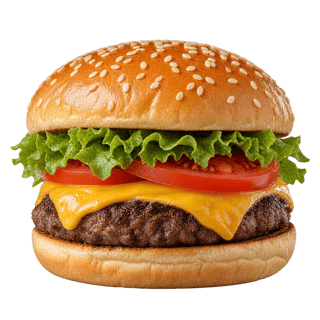
On the NIH ward the two menus were matched for sugar, fat, fiber and salt, and people still ate 508 more calories a day on the ultra-processed one, and ate it faster.
 No
Sugar is an ultra-processed food
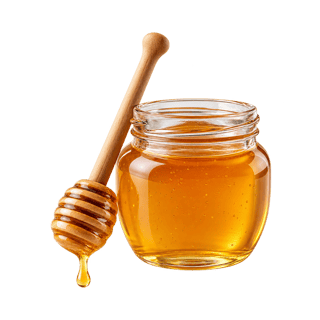
NOVA puts table sugar with salt and oil, as kitchen ingredients. The sugars that mark group 4 are ones kitchens don't keep, like high-fructose corn syrup and dextrose.
 Not the way you think
Seed oils are ultra-processed
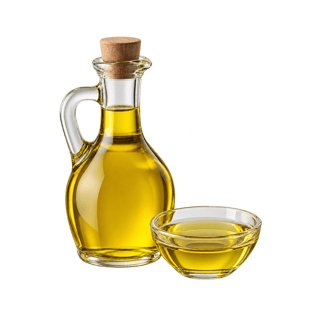
Every cooking oil is NOVA group 2, olive oil and butter too. Hydrogenated oils are the marker. Whether seed oils are good for you is a separate question, for fats.guide.
 No
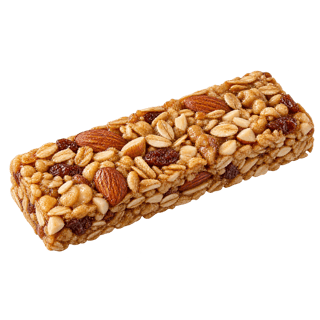
Organic or "natural" packaged food isn't ultra-processed
Organic cane sugar isn't a marker, but organic natural flavor is, so the bar is group 4. NOVA asks what's in a food, and how it was farmed doesn't change the answer.
 Sort of
The additives are what make ultra-processed food harmful
One small trial found an emulsifier changed gut bacteria in 11 days. But eating faster and more of soft, dense food explains a lot of what the trials measured.
 Yes, but
Eating less ultra-processed food costs a lot more
On the NIH ward the ultra-processed menu's ingredients cost $106 a week and the unprocessed one's $151. Start with frozen, canned and dried staples that keep.
For adults looking at what they eat. It explains how food is made and doesn't grade your food or diagnose anything.