Sugar is an ultra-processed food
Short answerNo
On this page
No. NOVA puts table sugar in group 2, kitchen ingredients, with salt, oil, butter and honey. The sugars that make a food ultra-processed are the ones kitchens don’t keep: high-fructose corn syrup, maltodextrin, dextrose, fructose, invert sugar, lactose and fruit juice concentrate. For your health, though, every kind of added sugar counts the same on the label.
What we’d do
Use the sugar name to sort the group, and the grams to decide what to eat. A cookie baked at home with cane sugar isn’t ultra-processed, and it’s still a cookie. Cut added sugar where it’s easiest, in sweet drinks and sweet breakfasts, and keep any one meal to no more than 10 grams, as the US guidelines suggest.
If you remember three things
- Table sugar is a kitchen ingredient. Adding it to a food makes the food processed (group 3).
- Factory sugars are markers. High-fructose corn syrup, dextrose and maltodextrin put a food in group 4.
- All of them count as added sugar. The US guidelines say no more than 10 grams of added sugar in one meal.
Why people believe it
White sugar is about as refined as food gets. It comes from cane or beets, goes through a factory, and ends up as pure white crystals with no fiber, vitamins or protein left. It’s in most of the foods people think of as ultra-processed, from soda to cookies to cereal. So it seems obvious that sugar itself must be ultra-processed.
NOVA sorts things differently. Its question is whether a home kitchen keeps an ingredient, and nearly every kitchen has a bag of sugar.
Flour and cake mix
Sugar is like flour. Both come out of a mill or a factory, and both are things you keep at home to cook with. A boxed cake mix is another story. It’s built from parts, some of which never sit in a home kitchen, and that’s where NOVA draws the line.
What NOVA says
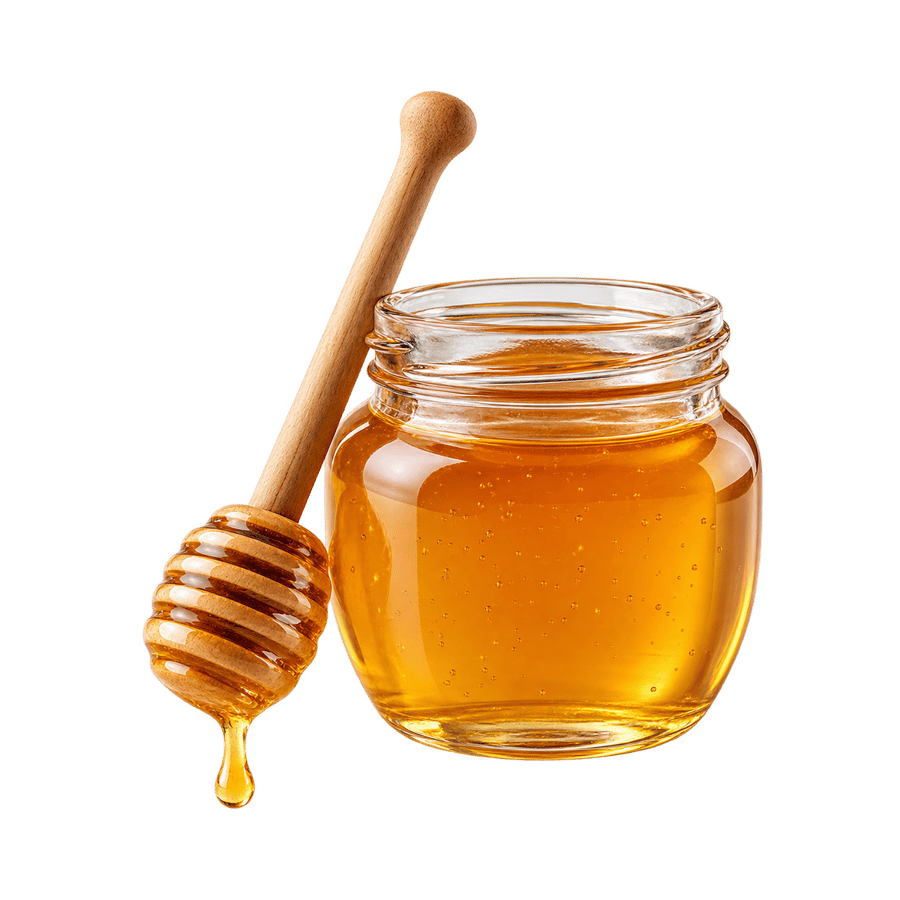
NOVA’s 2019 guide puts oils and fats, sugar and salt in group 2, processed culinary ingredients, things taken from foods or from nature and used to cook. It says plant oils, sugar and salt, as used in cooking, aren’t ultra-processed.
Then it lists the sugars that are markers for group 4, because kitchens rarely or never use them: fructose, high-fructose corn syrup, fruit juice concentrates, invert sugar, maltodextrin, dextrose and lactose. One of these on a label is enough to make a food ultra-processed.
| Sugar on the label | NOVA group | Counts as added sugar? |
|---|---|---|
| Sugar, cane sugar, beet sugar | 2, kitchen ingredient | Yes |
| Honey, molasses | 2, kitchen ingredient | Yes |
| High-fructose corn syrup | Group 4 marker | Yes |
| Dextrose, fructose, invert sugar | Group 4 marker | Yes |
| Maltodextrin | Group 4 marker | Not on the guidelines’ list, since it’s starch broken into short chains of sugar |
| Fruit juice concentrate | Group 4 marker | Yes |
| Lactose, added as an ingredient | Group 4 marker | Yes |
Why the line falls there
NOVA’s authors describe ultra-processed food as made by breaking whole foods into substances, changing some of them, and putting them back together. A kitchen uses sugar to sweeten a cake or a cup of tea. High-fructose corn syrup, dextrose and maltodextrin are substances of the factory kind, so NOVA treats them as a sign the whole food was assembled that way.
That’s a statement about how a food was made. It says nothing about how much sugar is good for you.
The sugar still counts
The 2025 to 2030 Dietary Guidelines say to treat any ingredient with “sugar” or “syrup” in its name, or ending in “-ose”, as added sugar, and they list honey and molasses with the rest. They say one meal should contain no more than 10 grams of added sugar, and to avoid sugar-sweetened drinks.
By the USDA’s figures, a 12 ounce cola has 36.8 g of sugar, an 8 ounce fruit yogurt has 43 g, and a tablespoon of honey has 17 g. The cola and the yogurt are group 4. The honey is group 2. The guidelines count the grams of added sugar the same way for all three.
The big studies point at sweet drinks too. In three US cohorts of 198,636 adults, sugar-sweetened and artificially sweetened drinks went with higher type 2 diabetes risk.
The best case for the belief
People who call sugar ultra-processed have a point about how it’s made. Turning cane into white crystals is heavy industrial processing, and sugar has nothing left in it but sugar. If the question were “how much has this been changed from the plant”, sugar would rank near the top.
But NOVA asks a different question, which is whether you’d keep the ingredient at home. That’s why its authors put sugar beside salt and oil. The useful habit is to read both lines of the label, the ingredients for the group and the Nutrition Facts for the grams of added sugar.
What to do
- Check the grams of added sugar on the Nutrition Facts panel, whatever the sugar is called.
- Swap the sweet drink first. Sparkling water has none.
- Sweeten plain yogurt or oatmeal yourself, with fruit or a little honey, instead of buying it sweetened.
- Blood sugar is glucose.guide’s subject, and meals.guide covers the 10 gram meal line.
4 sources
- Monteiro et al., Ultra-processed foods: what they are and how to identify them, Public Health Nutrition, 2019pmc.ncbi.nlm.nih.gov
- US Departments of Agriculture and Health and Human Services, Dietary Guidelines for Americans, 2025 to 2030cdn.realfood.gov
- Gebhardt and Thomas, Nutritive Value of Foods, USDA Home and Garden Bulletin 72, 2002ars.usda.gov
- Chen et al., Ultra-processed food consumption and risk of type 2 diabetes: three large prospective U.S. cohort studies, Diabetes Care, 2023pmc.ncbi.nlm.nih.gov