Organic or "natural" packaged food isn't ultra-processed
Short answerNo
On this page
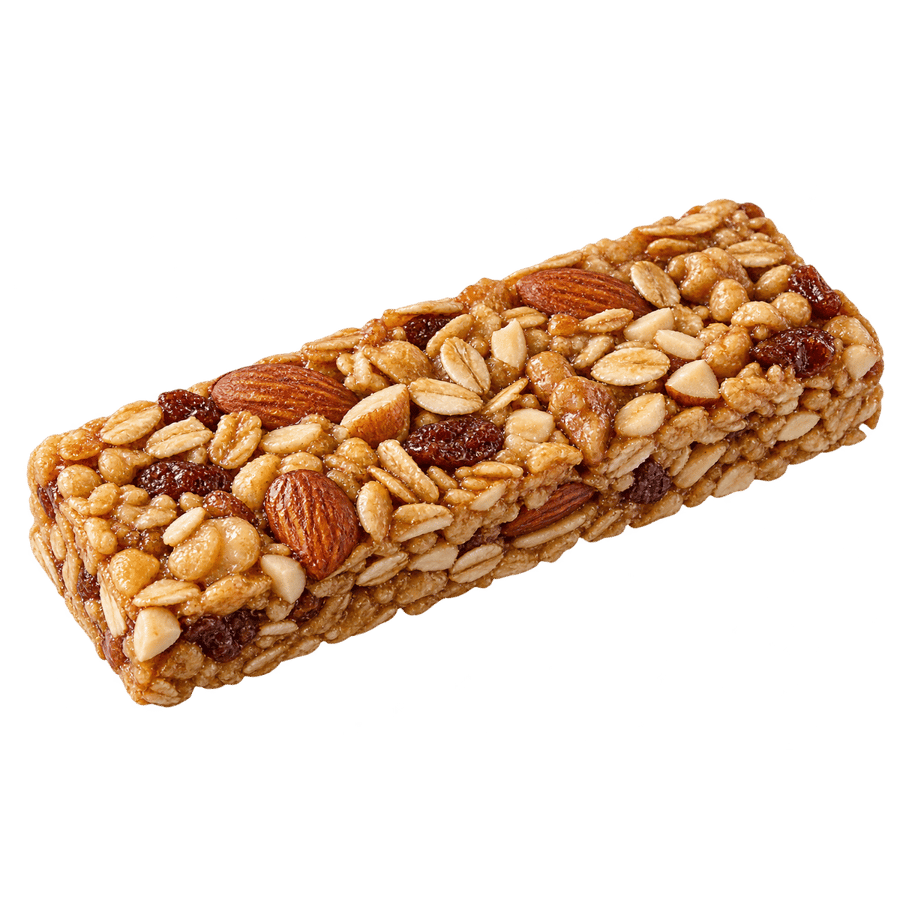
No. Organic is a rule about how ingredients are grown and which additives are allowed, and NOVA’s test is about what’s on the label. Organic cane sugar is a kitchen ingredient, but organic natural flavor is a flavoring, so an organic granola bar that lists it is group 4. “Natural” on the front of a box changes nothing either.
What we’d do
Check the ingredient list on organic and “natural” packaged food the same way you’d check any other. Buy organic for the reasons it exists, like how the crops were grown, if you care about those. Don’t count on the seal to mean a food won’t make you eat more, since the trials on overeating were about how food was made, organic or not.
If you remember three things
- Organic food can be group 4. USDA organic rules allow flavors, carrageenan, xanthan gum and one form of gellan gum.
- ”Natural flavor” is still a flavoring. Either kind of flavor puts a food in group 4 under NOVA.
- Organic does keep some things out. Flavors in organic food must come from organic or nonsynthetic sources.
Why people believe it
Organic and natural foods sit in their own aisle, with earthy packaging and short, friendly words on the front. They cost more. They feel like the opposite of a bag of neon cheese puffs, so it’s easy to assume they’re not ultra-processed.
But NOVA doesn’t look at the front of the box or the price. It asks whether the ingredient list has at least one thing a home kitchen doesn’t keep.
A sweater and its label
An organic cotton sweater is still a sweater. “Organic” tells you how the cotton was grown, and nothing about whether it was knitted by hand or by a machine. Organic food works the same way. The seal is about the farm and the allowed ingredients, and NOVA is about how the food was put together.
What organic rules allow
The USDA keeps a list of non-farm ingredients that can go into food labeled organic, at 7 CFR 205.605. It includes:
- Carrageenan, a thickener from red seaweed
- Xanthan gum, a thickener
- Gellan gum, in its high-acyl form, a thickener
- Flavors, as long as they come from organic or nonsynthetic sources and aren’t made with synthetic solvents, carriers or artificial preservatives
Thickeners and flavors are both on NOVA’s list of cosmetic additives, so any one of them on the label makes a food group 4, organic or not. An organic chocolate milk with carrageenan, an organic oat milk with gellan gum and an organic snack bar with natural flavor are all ultra-processed by NOVA’s test.
“Natural” and “natural flavor”
“Natural” on the front of a package is a marketing word. “Natural flavor” in the ingredient list is a specific ingredient, and NOVA treats every flavoring the same way, whether it’s called natural or artificial. The 2025 to 2030 Dietary Guidelines single out artificial flavors as something to limit, but NOVA makes no such distinction.
What does “natural flavors” mean? explains how they’re made.
The best case for the belief
Organic rules do keep a lot out. Synthetic flavors aren’t allowed, and every non-farm ingredient has to be on the USDA’s list. If you care about synthetic additives specifically, an organic label is a reasonable filter, and the US guidelines do say to limit artificial flavors, petroleum-based dyes and artificial preservatives.
Where it falls short is the part of ultra-processed food the trials measured. On the NIH ward in 2019, people ate 508 more calories a day on ultra-processed meals, most likely because the food was soft, dense and fast to eat. An organic cookie or an organic puffed snack can be every bit as soft and fast as the regular one.
What to do
- Check the ingredient list of organic packaged food the same way as any other. The label checker ignores the word “organic” and checks the ingredient itself.
- Look for the short lists. Organic oats, organic beans and organic peanut butter of peanuts and salt are groups 1 and 3.
- Compare the Nutrition Facts too. Organic sugar is still sugar.
4 sources
- 7 CFR 205.605, Nonagricultural substances allowed as ingredients in or on processed products labeled as organic, eCFR, checked 2026-11-14ecfr.gov
- Monteiro et al., Ultra-processed foods: what they are and how to identify them, Public Health Nutrition, 2019pmc.ncbi.nlm.nih.gov
- US Departments of Agriculture and Health and Human Services, Dietary Guidelines for Americans, 2025 to 2030cdn.realfood.gov
- Hall et al., Ultra-processed diets cause excess calorie intake and weight gain: an inpatient randomized controlled trial of ad libitum food intake, Cell Metabolism, 2019pmc.ncbi.nlm.nih.gov