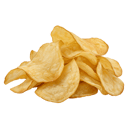
Peanut butter, regular jar
NOVA puts peanut butter, regular jar in group 4, ultra-processed, since most versions list fully hydrogenated vegetable oil.
What puts it in group 4
Most US versions list fully hydrogenated vegetable oil, an oil a kitchen doesn't make. One ingredient a home kitchen doesn't keep is enough to put a food in group 4.
Most regular jars add it so the oil stays mixed. Peanuts and salt alone is group 3.
The label in your hand decides, since brands differ. Paste its ingredients in the label checker to find the ingredient that puts it in group 4.
The real-food swap
 Peanut butter, regular jar 1 tbsp, 95 ultra-processed cal Peanuts-and-salt peanut butter 95 cal, 0 ultra-processed
Swap the regular jar for peanuts-and-salt peanut butter.
Protein, fiber and added sugar stay about the same.
Check it on a whole plate or swap your whole day.
What's in a serving
- Calories
- 95 in 1 tbsp
- Protein
- 4 g
- Fiber
- 0.9 g
- Added sugar
- not listed
- Sodium
- 68 mg
- Protein4 g 8% DV
- Fiber0.9 g 3% DV
Vitamins and minerals
- Niacin (B3)2.1 mg 13% DV
- Vitamin E1.5 mg 10% DV
- Magnesium27 mg 6% DV
- Vitamin B60.07 mg 4% DV
- Zinc0.4 mg 4% DV
- Folate14 mcg 3% DV
- Potassium107 mg 2% DV
- Iron0.3 mg 2% DV
- Riboflavin (B2)0.02 mg 2% DV
- Selenium0.66 mcg 1% DV
- Thiamin (B1)0.01 mg under 1% DV
- Calcium6 mg under 1% DV
- Vitamin K0.05 mcg under 1% DV
- Sodium68 mg 3% of the day's limit
A serving is 1 tbsp (16 g), the measure in the USDA's Nutritive Value of Foods (item 713). Added sugar is sugar a maker or cook adds, so fruit, milk and plain foods count none. Vitamins, minerals and sodium are from USDA FoodData Central, record 174266, as a share of the FDA Daily Value. A bar past 20% is high by the FDA's own word.
 Easily log it with a photo in Food XRAY to see how it fits your day's targets.